
Article · Updated April 2026
Hair Loss After Gastric Sleeve: Causes and What Helps

David Gans, founder, gastric bypass patient, lost 231 lbs · Researches sleeve vitamins weekly
Medical disclaimer: I am not a doctor. I had gastric bypass in January 2024 and I research bariatric nutrition, including sleeve-specific guidance from ASMBS and peer-reviewed sources. Always follow your own bariatric team, your lab work, and your surgeon's instructions.
I lost 231 pounds after gastric bypass in 2024, and I still remember how stressful those hair-loss weeks felt. My surgery was bypass, not sleeve, so I want to be upfront about that. But the mechanism of post-bariatric hair loss (rapid weight loss, low protein intake, dropping ferritin, zinc and thiamine gaps) is essentially identical across the two procedures. Sleeve patients describe the same timing and the same recovery curve in the literature. That is why this guide works through it carefully. Most of the time it is temporary. But you still want to know why it happens, when to worry, and what to check.
Key Facts
- Johns Hopkins says early hair loss is usually tied to surgery and rapid weight loss and often resolves on its own.
- Johns Hopkins sets a protein target of 60 to 100 grams per day, which matters for hair support during recovery.
- ASMBS says zinc deficiency can affect about 40% after gastric bypass and 19% after sleeve, and hair loss is one possible symptom.
- Johns Hopkins says bariatric multivitamins should provide 45 to 60 mg iron, 12 mg thiamine, and 8 to 22 mg zinc daily.
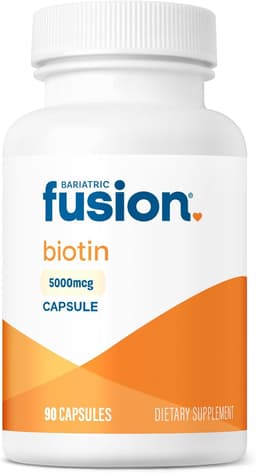
Bariatric Fusion
Biotin 5000mcg
Standard hair-loss dose, easy-swallow capsule, designed for bariatric patients.
Buy on Amazon →Is hair loss normal after gastric sleeve?
Yes. Early hair loss is common after bariatric surgery, even when everything is otherwise going well.
Johns Hopkins says when hair loss happens in the first few months after surgery, it is usually due to the surgery itself and rapid weight loss, and it will typically resolve on its own. That sentence helped me a lot because it reframes the experience. Hair loss can be common and still feel upsetting. Those two things can both be true.
When my hair loss started at month three after bypass, the pattern matched what sleeve patients describe in the literature almost point for point: same timing in the fastest weight-loss window, same nutrient triggers, same recovery curve once protein and ferritin came back up. I knew the weight loss was working, but I still hated seeing more hair than usual in the shower. That emotional side matters. Patients often get told it is normal and left there. I think it is better to say yes, it is common, and yes, there are still smart things to watch and do.
The main point is that normal does not mean random. Hair loss after surgery often reflects the stress of rapid change, low intake, and the body prioritizing more urgent systems. Sometimes it is mostly temporary shedding. Sometimes low protein or a micronutrient issue adds to it. That is why the right response is calm, not passive.
When does hair loss usually start after gastric sleeve?
It often starts in the first few months, which lines up with the fastest phase of weight loss.
Johns Hopkins does not give a single exact week because bodies do not work that neatly, but it clearly places common post-op hair loss in the first few months after surgery. That timing makes sense. Your calorie intake is much lower. Protein is harder to hit. Weight is dropping fast. The body reads that as a major stress period.
This is one reason I try to prepare people for hair loss before it happens. If it starts around the time your weight is falling quickly, that does not automatically mean something is wrong. It may simply mean your body is redirecting energy while adapting to the biggest metabolic shift it has seen in years.
That said, timing still matters. If hair loss is severe, starts late, or comes with other symptoms like fatigue, brittle nails, dizziness, or obvious deficiency signs, then I think labs become more important. Common does not mean every version is identical. The pattern still matters.
What causes hair loss after gastric sleeve?
Rapid weight loss is a major cause, but low protein and low micronutrients can make it worse.
Johns Hopkins says adequate protein and the recommended vitamins and minerals are important to prevent hair loss related to nutrient deficiencies. That gives a useful framework. There is the common shedding linked to surgery and rapid weight loss, and then there is hair loss made worse by deficiencies. Both can happen at the same time.
Protein is one of the first places I look. Johns Hopkins sets the daily target at 60 to 100 grams after surgery. That is not just a muscle number. It is part of the whole recovery picture. If protein stays low for weeks, it is not surprising when hair starts paying part of the price.
Micronutrients matter too. ASMBS reports zinc deficiency at about 19% after sleeve, and hair loss is one of the possible signs. Iron issues can also affect hair. That is why I do not like oversimplified advice like, hair loss is just part of it, ignore it. The better message is this. Some hair loss is common, but you still want the basics locked down and the labs reviewed if the pattern looks more serious.
How do protein and vitamins affect hair after gastric sleeve?
They do not control every shed hair, but they strongly affect whether deficiency is making the problem worse.
This is where routine pays off. Johns Hopkins recommends 60 to 100 grams of protein a day and lifelong bariatric vitamin use. It also says bariatric multivitamins should include meaningful amounts of iron, thiamine, vitamin D3, zinc, and copper. Those nutrients are not sold as hair products, but they still shape hair health because they shape your overall nutrition status.
I think many patients underestimate how easy it is to slide off routine once the first excitement fades. Missing a vitamin here and there becomes often. Protein slips on busy days. Calcium timing gets messy. Water takes over the schedule and meals get pushed late. None of that guarantees hair loss. But it does make it harder to rule out nutrition as part of the cause when hair starts shedding.
So when someone asks me what helped most, my answer is boring. Protein. Vitamins. Labs. Consistency. Not because boring sounds fun, but because post-op health often improves through repetition, not through hacks.
Check which bariatric vitamins cover zinc, iron, and thiamine
Use the articles page to compare bariatric formulas for sleeve patients by nutrient coverage and price per day.
Browse Sleeve Vitamin Guides →When should hair loss after gastric sleeve make you ask for labs?
Ask sooner if it is severe, prolonged, or paired with other symptoms of deficiency.
I would not wait for panic. If you are losing hair and also feeling weak, cold, dizzy, unusually tired, or if your nails and skin are changing, labs make sense. The same goes if hair loss feels extreme or keeps going longer than you expected. Johns Hopkins explicitly says adequate protein and vitamins matter for preventing deficiency-related hair loss. That means deficiency has to stay on the table when the pattern looks off.
ASMBS gives useful clues on what might be worth checking depending on symptoms, including zinc, iron-related issues, and the rest of the post-op nutrient panel. I am not going to list a custom lab order because that belongs with the bariatric team. But I do think the threshold for review should be low if hair loss is not the only thing going on.
To me, that is the sweet spot. Do not catastrophize normal early shedding. Do not dismiss every case as normal either. Watch the full picture and act when the full picture changes.
Can you stop hair loss after gastric sleeve once it starts?
You can improve the conditions around it, but you usually cannot force it to stop overnight.
That is the hard truth. Once shedding starts, the answer is usually not one perfect supplement that shuts it off in three days. The better approach is to reduce the things that keep it going. Hit your protein target more consistently. Take your bariatric vitamins daily. Separate calcium from iron correctly. Get labs if symptoms suggest a deficiency. Then give your body time.
I had to learn patience here, because hair loss feels personal. My own shedding ran from about month three to month eight post-bypass, and the sleeve literature describes a very similar window. The scale going down can be celebrated publicly. Hair falling out feels private and frustrating. But most of the useful steps are still very practical. Fix what is fixable. Stay steady. Do not keep changing products every week out of panic.
Johns Hopkins notes that early post-op hair loss usually resolves on its own. That does not mean do nothing. It means support the process instead of chasing miracle promises. In my experience, that mindset lowers stress and leads to better decisions.
What is the bottom line on hair loss after gastric sleeve?
It is common, often temporary, and still worth managing seriously.
That is the balance I try to hold. Hair loss after bariatric surgery is not unusual, and for many patients it settles as the body adjusts. Johns Hopkins says that directly. But common does not mean careless. You still want protein on target. You still want vitamins on point. You still want labs reviewed when the pattern looks bigger than routine shedding.
I also think it helps to hear this from someone who went through it, even if my surgery was bypass rather than sleeve. The emotional side of watching your hair fall out is identical. Seeing hair come out after surgery can mess with your head, even when the scale is moving in the right direction. You are allowed to be grateful for the weight loss and annoyed by the hair loss at the same time.
So if this is happening to you, do not spiral and do not ignore it. Treat it as a signal to tighten the basics and keep an eye on the bigger picture. That approach has a lot more value than panic buying random hair products.
Hair Loss After Gastric Sleeve Surgery
Visual overview · SleeveVitamins.com
Timeline
Typical Hair Loss Timeline After Sleeve
5 Common Causes
Recovery Checklist
Source: Johns Hopkins Bariatric Program Guidelines
Hair Loss After Gastric Sleeve Quick Reference
- Early post-op hair loss is common and often temporary.
- Rapid weight loss and surgery stress are major reasons it happens.
- Protein matters. Johns Hopkins sets a goal of 60 to 100 grams a day.
- Iron, zinc, and overall vitamin intake still matter and should be checked with labs.
- Zinc deficiency may affect about 19% after sleeve gastrectomy.
- Persistent or severe hair loss should trigger lab review with your bariatric team.
Related Articles
How Much B12 Do You Need After Gastric Sleeve?
B12 needs after sleeve: doses, forms, and how often to test.
Read →Best Protein Powder After Gastric Sleeve
Label numbers that matter. How to hit 60 to 100 grams of protein per day after sleeve surgery.
Read →Best Multivitamin After Gastric Sleeve
15 bariatric multivitamins ranked by price per day, with iron flagged vs the ASMBS sleeve baseline.
Read →Considering a different surgery?
Gastric Bypass Vitamin Guide
If you had bypass like our founder, here is the dedicated bypass site with 45mg iron comparisons.
Read →All Bariatric Multivitamins Compared
Browse multivitamins for every bariatric surgery type in one comparison.
Read →Frequently Asked Questions
Is hair loss normal after gastric sleeve surgery?
Yes, early hair loss is common after bariatric surgery, even when everything is otherwise going well. Johns Hopkins says it is usually linked to surgery and rapid weight loss and often resolves on its own.
When does hair loss start after gastric sleeve surgery?
For many people it starts in the first few months, lining up with the fastest weight loss phase. If it starts later or feels extreme, ask your bariatric team for labs.
What vitamin deficiency causes hair loss after gastric sleeve?
There is not just one. Low protein, iron problems, zinc deficiency, and poor supplement intake can all play a role. That is why guessing is less useful than checking your labs.
How do I stop hair loss after gastric sleeve surgery?
Hit protein targets, take bariatric vitamins daily, stay on labs, and fix confirmed deficiencies. Hair usually improves as nutrition gaps settle.
Medical disclaimer: I am not a medical professional. I am a bariatric patient sharing personal experience and guideline-based information. Always use your own bariatric team, blood work, and medical history to decide what you should take.