
Article · Updated April 2026
Best Protein Powder After Gastric Sleeve: Label Numbers That Matter

David Gans, founder, gastric bypass patient, lost 231 lbs · Researches sleeve vitamins weekly
Medical disclaimer: I am not a doctor. I am a gastric sleeve patient sharing what I have learned from my own experience and from bariatric guideline sources. Always follow your own bariatric team, your lab work, and your surgeon's instructions.
I do not see protein powder as a magic fix. I see it as a tool. After surgery, especially early on, there are days when whole food alone does not get you to target. That is where a good bariatric-friendly powder earns its place.
Key Facts
- Johns Hopkins sets a protein goal of 60 to 100 grams per day after bariatric surgery.
- Johns Hopkins says a protein supplement should usually provide 20 to 30 grams of protein per serving.
- Johns Hopkins says a protein supplement should stay under 5 grams of sugar and 100 to 200 calories per serving.
- Johns Hopkins says a good supplement provides at least 15 grams of protein per 100 calories.
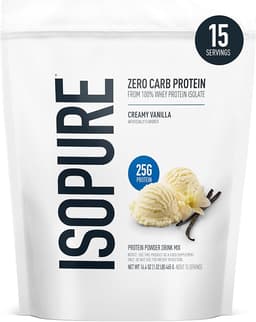
Isopure
Zero Carb Whey Isolate Vanilla
25g protein, lactose free, gluten free, with added vitamins. 28K+ reviews.
Buy on Amazon →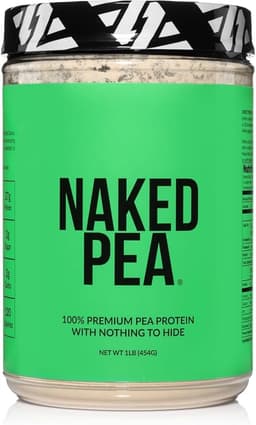
NAKED
Pea Protein Isolate
Single ingredient, no fillers or additives, 27g protein, NSF Certified, vegan.
Buy on Amazon →What makes a protein powder good after gastric sleeve?
A good bariatric protein powder gives a lot of protein without too much sugar, calories, or volume.
Johns Hopkins gives one of the clearest filters I have seen for protein supplements. Choose products that provide 20 to 30 grams of protein per serving, less than 5 grams of sugar, and about 100 to 200 calories. It also says a good supplement should provide at least 15 grams of protein per 100 calories. That is the kind of math that cuts through marketing fast.
After surgery, especially early on, volume is limited. That means every sip has to work harder. If a shake is packed with sugar or padded with extra calories, it uses up stomach space without giving you the protein return you need. I learned quickly after my own sleeve that convenience matters, but efficiency matters more.
I also like this approach because it works across brands and formats. You do not need hype words. You need the label. If the powder hits the protein density target, keeps sugar low, and fits your digestion, it is in the running. If it is mostly flavor and fluff, it is out.
How much protein do sleeve patients need each day?
Johns Hopkins sets the usual goal at 60 to 100 grams of protein per day after surgery.
That 60 to 100 gram target shows up again and again in bariatric nutrition education because it matters. Protein supports healing, helps preserve lean mass during rapid weight loss, supports fullness, and may help reduce the severity of post-op hair issues when the rest of the diet is also in place. Johns Hopkins uses that 60 to 100 gram goal in its early post-op guidance, and I think it is one of the most important numbers to know.
What changes is how easy that goal feels. In the first weeks, it can feel hard. Food texture is limited. Volume is tiny. Drinking and eating around each other takes planning. That is where protein powder earns its place. Not as a forever replacement for food, but as a bridge that helps you reach the target when meals alone are not enough yet.
Long term, many patients still keep powder around because real life is messy. Workdays run long. Appetite dips. Travel happens. A good powder gives you a backup that still fits bariatric priorities.
Is protein powder better than ready-to-drink shakes after gastric sleeve?
Not always. The better choice is the one you tolerate, afford, and use consistently.
I do not think powder automatically beats ready-to-drink shakes, or the other way around. Powders can be cheaper per serving, easier to customize, and useful if you want to control thickness or mix into foods. Ready-to-drink shakes win on convenience and portability. The more important question is whether the product still hits the Johns Hopkins targets.
That means I look at grams of protein first, then sugar, then calories, then how much actual volume I need to get the dose. For some patients, a premade shake is easier because it removes all friction. For others, powders work better because they can use smaller servings, blend with different liquids, or choose a texture they tolerate better.
I used both depending on the stage I was in. Early on, simplicity mattered. Later, flexibility mattered more. The best product is not the one with the loudest claims. It is the one that gets you through your week without blowing up your protein goal or your stomach.
What ingredients should sleeve patients watch for in protein powder?
Watch the nutrition panel more than the front label, especially sugar, calories, and protein density.
The front of the tub loves to sell vibes. The back label tells the truth. Johns Hopkins wants 20 to 30 grams of protein, under 5 grams of sugar, and about 100 to 200 calories per serving. That should be the first screen. If the serving delivers less protein than that, or piles on sugar, it is working against the point of a bariatric supplement.
I also watch serving size. Sometimes a product looks high protein until you notice the scoop is huge and the drink becomes thick or heavy. That may be fine for someone not dealing with bariatric restriction. For a post-op patient, especially early on, that can make adherence worse. I would rather have a more efficient serving that feels manageable.
As for protein source, whey often gives strong protein density. Plant blends can work well too, especially if dairy bothers you. I do not treat one source as universally better. I treat tolerance and label quality as the deciding factors.
Compare bariatric formulas for sleeve patients
Use the articles page to check which bariatric vitamins and nutrition products match your surgery, dosing needs, and tolerance.
Browse Sleeve Nutrition Guides →When should you use protein powder after gastric sleeve?
Use it when it helps you hit protein without crowding out hydration or real food.
Johns Hopkins counts protein supplements toward the daily plan in the early weeks and notes that many patients use 2 to 4 protein supplements a day at first, depending on the product. That makes sense because the diet starts with liquids and purees, and you simply cannot eat much. In that stage, powder is not optional for many people. It is the practical way to get closer to target.
Later on, the role changes. As solid protein foods become easier, powder becomes a support tool instead of the center of the day. I still think it has value there. Some mornings are rushed. Some days appetite is low. Some workouts leave you wanting an easy protein hit. The trick is not to let shakes replace every real meal forever.
My own approach is simple. Food first when possible. Powder when needed. That keeps the routine flexible without turning the diet into a liquid plan long after the recovery stage has passed.
Can protein powder help with hair loss and muscle loss after gastric sleeve?
It can help support the basics, but it works best as part of a full bariatric routine.
Johns Hopkins says early hair loss after surgery is often due to the operation and rapid weight loss and usually resolves on its own. It also says adequate protein and the recommended vitamins and minerals help prevent deficiency-related hair loss. So yes, protein matters. But powder alone does not fix every reason hair sheds after surgery.
The same goes for muscle loss. Rapid weight loss puts lean mass at risk if protein is too low. Hitting the daily goal gives your body better support during that phase. A high-quality powder can help you get there, especially if chewing dense proteins still feels hard or if your day gets away from you.
I think of powder as one lever among several. It works best next to a complete bariatric multivitamin, regular hydration, routine follow-up, and real food when tolerated. When those pieces line up, protein powder becomes a very useful tool. When the rest of the plan is weak, it cannot carry the whole thing by itself.
What is the bottom line on the best protein powder after gastric sleeve?
Pick the powder that hits bariatric numbers and that you will actually keep using.
That is the real answer. The best product is not the trendiest. It is the one that gets you to 60 to 100 grams of protein a day without too much sugar, too many calories, or too much volume. Johns Hopkins gives those filters clearly. Use them.
I would also keep the choice simple. If a product tastes decent, sits well, mixes easily, and fits your numbers, that is enough. You do not need perfection. You need consistency. Bariatric success is full of routines that look boring on the outside and powerful on the inside.
So if you are shopping for protein powder, stop looking for magic. Look for math, tolerance, and repeatability. That is what makes a powder actually useful after surgery.
Choosing the Best Protein Powder After Gastric Sleeve
Based on Johns Hopkins bariatric protein guidelines
Label Targets
Bariatric-Friendly
Protein Powder
Johns Hopkins bariatric targets
Protein Density
Grams per 100 calories
Daily Routine
Morning
Shake · 20–30g protein
Lunch
Food-first meal
Evening
Top-up if needed
2–4 shakes/day in early weeks per Johns Hopkins
Based on Johns Hopkins bariatric protein guidelines
Best Protein Powder After Gastric Sleeve Quick Reference
- Target protein intake is usually 60 to 100 grams per day after surgery.
- A strong supplement usually gives 20 to 30 grams protein per serving.
- Keep sugar under 5 grams and calories around 100 to 200 per serving.
- Aim for at least 15 grams of protein per 100 calories.
- Use powder to support meals, not replace real food forever.
- Pick the format you tolerate and will actually use every day.
Recommended Protein Powders After Gastric Sleeve
25g protein per serving, 0g carbs, 100 calories. Mixes clean. Popular among bariatric patients.
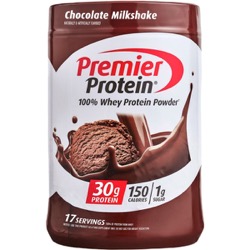
30g protein per serving, 150 calories, 2g sugar. Good value, widely available.
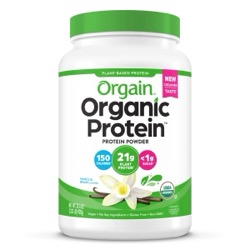
21g protein per serving, plant-based blend, 150 calories. Good for dairy-sensitive patients.
All prices based on 3-month (90-day) supply where applicable.
Related Articles
Hair Loss After Gastric Sleeve
Why hair loss happens, when to worry, and how protein and vitamins affect the outcome.
Read →Vitamins After Gastric Sleeve
Full overview of iron, B12, calcium, and vitamin D for sleeve patients.
Read →Best Multivitamin After Gastric Sleeve
15 bariatric multivitamins ranked by price per day, with iron flagged vs the ASMBS sleeve baseline.
Read →Considering a different surgery?
Gastric Bypass Vitamin Guide
If you had bypass like our founder, here is the dedicated bypass site with 45mg iron comparisons.
Read →All Bariatric Multivitamins Compared
Browse multivitamins for every bariatric surgery type in one comparison.
Read →Frequently Asked Questions
What is the best protein powder after gastric sleeve?
The best one fits bariatric targets and you tolerate consistently. Look for 20 to 30 grams protein, under 5 grams sugar, and 100 to 200 calories per serving.
How much protein do I need after gastric sleeve?
Johns Hopkins sets the target at 60 to 100 grams per day. Protein powder helps you reach that when food intake is limited.
Is whey or plant protein better after gastric sleeve?
Both can work. Whey isolate is concentrated and well absorbed. Plant blends work if dairy causes issues. Pick what you tolerate and will use consistently.
Can I use protein shakes as meal replacements after gastric sleeve?
Early on yes, but long term powder should support meals, not replace them. Real food should carry more of the protein load as recovery progresses.
Medical disclaimer: I am not a medical professional. I am a bariatric patient sharing personal experience and guideline-based information. Always use your own bariatric team, blood work, and medical history to decide what you should take.