
How Much Iron Do You Need After Gastric Sleeve Surgery?

By David Gans — Gastric bypass patient since January 2024. Lost 231 lbs. Bariatric vitamin researcher. Founder of SleeveVitamins.com.
Iron Requirement After Gastric Sleeve
- 18mg elemental iron daily minimum
- Menstruating women may need more
- Separate from calcium by at least 2 hours
- Test ferritin at every follow-up blood draw
After gastric sleeve surgery, also called sleeve gastrectomy, your iron plan should be simple, measurable, and easy to follow.
I'm David Gans. I had gastric bypass in January 2024, and I research bariatric vitamins across surgery types. Iron is where sleeve and bypass diverge most (18mg for sleeve, 45mg or more for bypass), so this guide sticks to sleeve-specific ASMBS guidance. Sleevevitamins.com is an independent comparison site.
Quick internal links: use Compare to filter multivitamins by iron dose, and use Best Multivitamin After Gastric Sleeve for my sleeve focused multivitamin picks.
Bypass vs Sleeve: Iron Requirements
Gastric Bypass
45–60mg
elemental iron daily
Reason: duodenum bypassed, main iron absorption site lost.
Gastric Sleeve
18mg
elemental iron daily
Reason: duodenum intact, some absorption preserved.
Menstruating women after sleeve may need up to 45mg. Always follow your lab results.
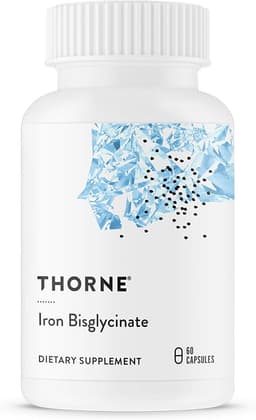
Thorne
Iron Bisglycinate 25mg
NSF Certified, gentle bisglycinate form, 8K+ reviews. Sleeve-appropriate dose.
Buy on Amazon →The daily iron dose after gastric sleeve: the ASMBS starting point
Most low risk gastric sleeve patients should get at least 18 mg of iron per day from a multivitamin, then adjust based on labs.
ASMBS states that low risk patients, defined as males and patients without a history of anemia, should receive at least 18 mg of iron from their multivitamin. ASMBS also notes that menstruating females and patients who have undergone sleeve gastrectomy should take at least 45 to 60 mg of elemental iron daily from all supplements combined.
Here is how I apply that to real sleeve patients:
- If you are low risk, start at the 18 mg baseline and monitor.
- If you menstruate, have low ferritin, or had anemia before surgery, ask your bariatric team if you belong in the higher range.
Do not chase symptoms alone. Iron stores can fall for months before you feel it.
Why Sleeve Patients Need Less Iron
Sleeve preserves duodenal absorption. Bypass bypasses it
Gastric Sleeve
18mg
iron daily
Gastric Bypass
45mg
iron daily
Why iron can still drop after sleeve gastrectomy
Iron can drop after sleeve gastrectomy because you eat less, you may avoid meat, and your stomach acid changes, even though your intestine still absorbs nutrients in the usual path.
Many sleeve patients cut back on red meat because it feels heavy. That removes a major source of heme iron. Some people also rely on coffee, tea, and quick snacks, which can crowd out iron rich meals. On top of that, less stomach acid can make iron harder to keep soluble.
This is why an 18 mg iron multivitamin works as a baseline for many low risk gastric sleeve patients. It gives you daily coverage even when your diet is inconsistent.
The lab values that tell you if 18 mg is enough
You confirm your iron status after gastric sleeve by tracking ferritin plus an iron panel, especially transferrin saturation, not by guessing.
ASMBS recommends a combination of tests, including serum iron with transferrin saturation and total iron binding capacity, and it uses ferritin for screening.
Normal ranges listed in the ASMBS guidelines include:
- Serum iron: 60 to 170 µg/dL
- Transferrin: 200 to 360 µg/dL
- Transferrin saturation: 20 to 50%
- Ferritin: 12 to 300 ng/mL for males, and 12 to 150 ng/mL for females
ASMBS also gives low iron pattern markers you can act on:
- A ferritin drop toward 20 ng/mL can signal early depletion.
- Serum iron below 50 µg/dL plus transferrin saturation below 16% supports deficiency.
One important nuance: ferritin can rise during inflammation or infection, so trends matter more than one result.
Iron Lab Reference Ranges After Sleeve
How to supplement iron after gastric sleeve without sabotaging absorption
You supplement iron after gastric sleeve best when you use elemental iron dosing, split doses, and separate iron from calcium and acid blockers.
ASMBS recommends taking oral iron in divided doses and separately from calcium supplements and acid reducing medications, and also away from foods high in phytates or polyphenols.
The other common problem is label confusion:
- A tablet can say “ferrous sulfate 325 mg,” but that typically equals 65 mg of elemental iron, not 325 mg elemental iron.
- Ferrous fumarate is about 33% elemental iron by weight, ferrous sulfate about 20%, and ferrous gluconate about 12%.
Practical sleeve tolerance rules that keep people consistent:
- Take iron with a small meal if it causes nausea.
- Keep iron at least two hours away from calcium.
- If constipation becomes the reason you quit, change the form or timing with your team instead of stopping.
A sleeve friendly schedule for iron labs and daily timing
A sleeve friendly iron routine uses an 18 mg multivitamin baseline, separates calcium, and rechecks iron and ferritin at 3 to 6 months.
This simple day plan works for many gastric sleeve patients:
- Take your multivitamin with iron once daily.
- Take calcium later in the day in split doses.
- If you need extra iron, place it in a gap away from calcium and antacids.
I keep it boring on purpose. I change iron based on the lab trend, mainly ferritin and transferrin saturation, not on one stressful week.
When you should ask for more help with iron
You should ask for medical help when ferritin keeps falling, anemia shows on a CBC, or you cannot tolerate oral iron long enough to correct the deficit.
ASMBS describes progression from low stores to anemia and later changes in red blood cells, which is why early action matters.
- Talk with your bariatric team if transferrin saturation stays under 16%, or if ferritin keeps trending toward 20 ng/mL despite daily supplements.
- Some sleeve patients need a temporary higher elemental dose. Some do better with a different iron form.
- A smaller group needs prescription approaches when oral iron fails.
FAQ
How much iron do you need after gastric sleeve surgery?
For low risk gastric sleeve patients, ASMBS lists at least 18 mg iron from a multivitamin as the minimum starting point, and labs decide if you need more.
What ferritin level is a red flag after gastric sleeve?
ASMBS notes that a ferritin drop toward 20 ng/mL can signal early iron depletion, and it also warns ferritin can fluctuate with inflammation.
What transferrin saturation indicates iron deficiency?
ASMBS lists transferrin saturation below 16% as a deficiency marker and gives 20 to 50% as the usual reference range.
How often should you check iron labs after sleeve gastrectomy?
A sleeve gastrectomy monitoring schedule in Endotext lists iron and ferritin checks at 3 to 6 months post op, with continued follow up after that.
Considering a different surgery?
Gastric Bypass Vitamin Guide
If you had bypass like our founder, here is the dedicated bypass site with 45mg iron comparisons.
Read →All Bariatric Multivitamins Compared
Browse multivitamins for every bariatric surgery type in one comparison.
Read →🏆 Ready to find your best sleeve vitamin?
We compare all 15 bariatric multivitamins by price per day, iron level vs the 18mg ASMBS sleeve baseline, and full nutrient breakdown. Updated weekly.
Compare All 15 Sleeve Vitamins →